In a world where memes reign supreme and celebrity gossip spreads faster than wildfire, pop culture magazines are the unsung heroes of our entertainment landscape. These glossy pages are like a time capsule, capturing the quirks and fads that define generations. Whether it’s dissecting the latest red carpet looks or diving into the latest viral sensation, these magazines keep readers in the loop and laughing all the way.
Imagine flipping through vibrant pages filled with scandalous headlines and exclusive interviews that make you feel like you’re part of the inner circle. Pop culture magazines don’t just inform; they entertain, provoke thought, and sometimes even inspire. So grab your favorite snack and settle in, because it’s time to explore the colorful world of pop culture magazines and discover how they’ve shaped our perceptions of fame, fashion, and everything in between.
The Evolution Of Pop Culture Magazines
Pop culture magazines have transformed significantly over the decades, reflecting societal changes and evolving interests. Their journey reveals how these publications adapt to shifting cultural phenomena.
The Origins In The 20th Century
In the early 20th century, magazines like Photoplay paved the way for pop culture. These publications primarily focused on Hollywood films and stars, capturing the public’s fascination with celebrity life. Readers craved behind-the-scenes insights into their favorite films and actors. As a response, magazines featured film reviews, celebrity interviews, and vibrant photographs. Circulation numbers soared, with Photoplay reaching over 1 million copies by the 1920s. Through this lens, one can understand the roots of contemporary pop culture publications.
The Rise Of Celebrity Culture
During the mid-20th century, the emergence of television significantly impacted pop culture magazines. With stars like Elvis Presley and Marilyn Monroe dominating both screens and headlines, readers demanded more exclusive content. Publications introduced sensational stories, lifestyle features, and scandalous gossip to capture audience interest. As audiences became enthralled by celebrity culture, magazines like Life and Rolling Stone emerged, focusing on music, fashion, and lifestyle. Their influence shaped public perceptions of fame and created an industry where celebrity status became synonymous with success. This shift laid the groundwork for today’s pop culture magazines.
Notable Pop Culture Magazines
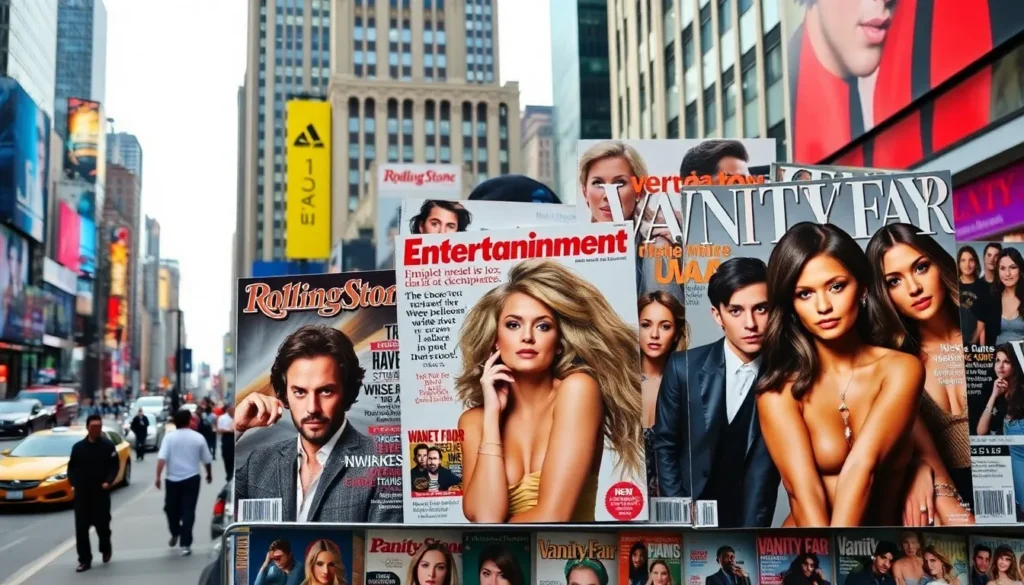
Pop culture magazines play a vital role in shaping entertainment narratives. Several publications have established themselves as leading voices in this dynamic industry.
Rolling Stone
Rolling Stone focuses on music, pop culture, and politics. Founded in 1967, it gained fame for in-depth articles and celebrity interviews. The magazine has covered rock legends like Bob Dylan and contemporary stars such as Beyoncé. Known for its bold photography, Rolling Stone captures the essence of cultural moments. As social movements gain prominence, the magazine shifts its focus to address music’s impact on society.
Entertainment Weekly
Entertainment Weekly covers film, television, and popular music. Launched in 1990, it offers exclusive content about upcoming releases and trends. The magazine features interviews with top filmmakers and actors, providing insights into Hollywood’s inner workings. Regular columns and reviews ensure readers stay informed about their favorite shows and movies. Entertainment Weekly also adapts to the rise of streaming services, highlighting new platforms and productions.
Vanity Fair
Vanity Fair presents a blend of pop culture, politics, and fashion. Established in 1913, it became known for its lavish photo shoots and investigative reporting. The magazine often profiles influential figures, revealing personal anecdotes and behind-the-scenes stories. Cover stories frequently spotlight current events, connecting culture with global issues. Vanity Fair’s elegant design and rich content keep it a staple in the world of high-profile journalism.
The Role Of Digital Media
Digital media plays a critical role in the landscape of pop culture magazines. It transforms how readers access and engage with content, fostering an interactive experience.
Transition To Online Platforms
Transitioning to online platforms has reshaped the publishing model for pop culture magazines. Many established magazines now maintain vibrant websites that offer multimedia content, including videos and podcasts. Immediate access to articles allows readers to consume information instantly, catering to the fast pace of modern life. Additionally, online platforms facilitate a global reach, connecting audiences from various demographics. These changes encourage magazines to stay relevant in a competitive industry where print circulation may decline.
Social Media Influence
Social media influences how pop culture magazines disseminate content and interact with audiences. Platforms like Instagram, Twitter, and TikTok serve as vital tools for sharing updates and engaging readers directly. Instant feedback from followers offers magazines real-time insights into audience preferences and trends. Celebrities often use these platforms for self-promotion, which, in turn, drives traffic to magazine websites. Engaging with readers through social media enhances brand loyalty while amplifying the reach of featured content.
Trends In Today’s Pop Culture Magazines
Examining current trends in pop culture magazines reveals significant shifts reflecting society’s evolving values.
Inclusivity And Diversity
Inclusivity plays a critical role in shaping modern content. Publications increasingly showcase diverse voices and stories from various backgrounds. Celebrities of different ethnicities, body types, and gender identities frequently grace the covers. This shift invites broader readership and fosters a sense of belonging among consumers. Readers respond positively to representation that resonates with their own experiences, enhancing the magazine’s relevance in today’s culturally dynamic landscape.
The Impact Of Streaming Services
Streaming services greatly influence pop culture magazine content and direction. With binge-worthy series and blockbuster films emerging each week, magazines now prioritize coverage on trending shows and on-demand releases. Coverage strategies include interviews with actors and creators, attracting readership through exclusive insights. This rapid content cycle demands proactive engagement, ensuring magazines remain in tune with audience interests. As streaming reshapes entertainment consumption patterns, publications adapt their narratives, diving deeper to analyze the impact on society and fan culture.
Pop culture magazines continue to play a vital role in shaping cultural narratives and reflecting societal changes. They not only entertain but also engage readers by showcasing diverse voices and stories. As these publications adapt to the digital age and the evolving landscape of media consumption, their influence remains strong.
The ongoing commitment to inclusivity and the integration of multimedia content ensure that pop culture magazines stay relevant. By embracing current trends and audience preferences, they foster a deeper connection with readers. This dynamic relationship between magazines and their audience highlights the enduring power of pop culture in shaping perceptions and driving conversations.