In today’s fast-paced world, pop culture feels like a rollercoaster ride—thrilling, unpredictable, and occasionally a little nauseating. From viral TikTok dances to celebrity feuds that make soap operas look tame, it’s clear that what’s trending today could be yesterday’s news by tomorrow. But beneath the glitz and glam lies a deeper crisis, one that challenges the very fabric of our cultural landscape.
As society grapples with shifting values and the relentless pace of information, understanding this pop culture crisis becomes essential. It’s not just about the latest meme or blockbuster film; it’s about how these trends shape attitudes, influence behavior, and reflect our collective identity. Buckle up as we dive into the chaos and explore the quirky intersections of fame, fandom, and the fragile state of modern culture.
Understanding Pop Culture Crisis
Understanding the pop culture crisis requires recognizing its impact on societal values. A disconnect exists between celebrity behaviors and audience expectations, often leading to outrage or disillusionment. Social media amplifies this disconnect, creating rapid cycles of celebrity scandals and viral trends that shift public sentiment.
Trends, driven by influencers and viral content, contribute to the uncertain nature of pop culture. Attention spans shorten, shifting focus from long-term cultural phenomena to fleeting moments. Such instability prompts audiences to grapple with their identity and beliefs in a rapidly changing landscape.
Fame’s intersection with fandom often complicates these dynamics. Fan loyalty can blind individuals to flaws in their idols, raising ethical concerns when celebrities misbehave. Supporters may rationalize controversial actions, showcasing the tension between admiration and moral accountability.
Moreover, the crisis manifests in the prioritization of spectacle over substance. Many outlets prioritize catchy headlines over deep analysis, leading to a superficial understanding of cultural issues. As a result, meaningful discussions about societal implications become overshadowed by sensationalism.
Structured frameworks for evaluating pop culture phenomena can guide responses. Viewers benefit from critically assessing the intentions behind trends and celebrity actions. Engaging with media responsibly fosters a more informed public, capable of navigating the complexities of pop culture. By understanding its foundations, individuals can contribute to reshaping cultural narratives.
Causes of Pop Culture Crisis
Understanding the causes behind the pop culture crisis reveals deeper societal implications. Various factors contribute to this ongoing phenomenon.
Influence of Social Media
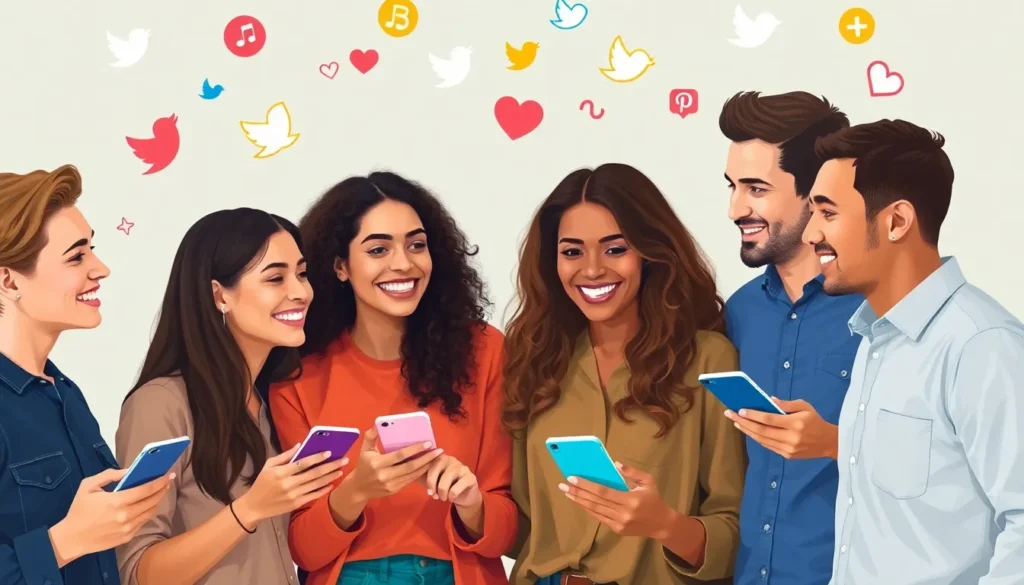
Social media serves as a double-edged sword in pop culture. It amplifies trends and celebrity scandals at lightning speed. Instant connectivity allows audiences to share opinions and reactions immediately. Engagement metrics can influence the prominence of certain narratives, creating echo chambers. These environments not only amplify outrage but also shift perceptions rapidly. Platforms encourage the rapid consumption of content, resulting in fleeting attention on issues. The cycle often overshadows meaningful discourse, prioritizing sensationalism over substance. Consequently, celebrities find themselves under continuous scrutiny, heightening the disconnect between personal behavior and public expectations.
Evolving Audience Expectations
Audience expectations evolve constantly, shaping the landscape of pop culture. Individuals now demand authenticity and transparency from their idols. The rise of influencers sets a precedent for celebrities to maintain relatable personas. As trends emerge and dissipate, audiences become accustomed to immediate gratification, creating a demand for constant engagement. Fans often grapple with their loyalty amid misbehavior, putting idols on pedestals until they fail to meet expectations. These shifting dynamics complicate how media outlets approach storytelling, often prioritizing dramatic moments over substantive discussions. Ultimately, the quest for relevance leads to a deeper crisis of identity in both media and audience interactions.
Manifestations of Pop Culture Crisis
Pop culture crises manifest in various ways, affecting societal perceptions and cultural dialogues. Two notable aspects are cultural division and the decline of traditional media.
Cultural Division
Cultural division emerges when different groups interpret pop culture through distinct lenses. Differences in opinions often lead to polarization among audiences. Conflicts arise from varying values and beliefs, which can fragment communities. Social media facilitates these divisions, allowing echo chambers to form. Consequently, the resulting discourse becomes increasingly contentious. Individuals may find themselves aligned with like-minded fans, further isolating them from alternative perspectives. This dynamic complicates understanding common cultural narratives. As cultural differences grow, the potential for constructive conversation diminishes, creating barriers to collective engagement.
Decline in Traditional Media
The decline in traditional media significantly impacts pop culture consumption. Audiences increasingly turn to digital platforms for news and entertainment, favoring immediacy over depth. Legacy media organizations struggle to adapt to this shift, often prioritizing engagement metrics over informative content. Various streaming services and social media platforms amplify this trend, reshaping audience expectations. Consequently, sensationalism often eclipses substantive reporting, leading to an oversimplified understanding of complex issues. Traditional outlets that once shaped pop culture narratives now face challenges from influencers and celebrities. This shift underscores a need for a more responsible approach in storytelling within modern media landscapes.
Impact on Entertainment Industry
The pop culture crisis significantly alters the entertainment industry. These changes manifest in various facets including content production and consumer behavior.
Changes in Content Production
Content production adapts to the shifting landscape shaped by rapid social media trends. Producers increasingly prioritize viral potential over depth, often favoring sensational content. Streaming platforms now accommodate shorter formats to capture fleeting audience attention. Such adjustments lead to quick turnaround times, pressuring creators to accelerate their processes. Originality may suffer as trends dictate creative choices, with many projects focusing on formulaic approaches instead of innovation. The influx of user-generated content further influences professional creators, compelling them to engage with grassroots movements. As a result, the entertainment industry sees a blend of polished productions and raw, unfiltered expressions.
Shifts in Consumer Behavior
Consumer behavior reflects the chaotic environment of today’s pop culture. Audiences now seek authenticity from celebrities, demanding transparency in their narratives. Short attention spans drive viewers to seek immediate gratification through bite-sized content. Fans exhibit loyalty to influencers, often disregarding ethical concerns about celebrity actions. This shift influences how marketing strategies are developed, urging brands to connect with their audience on a more personal level. In response, viewers engage actively with platforms, voicing their opinions and shaping cultural conversations. Ultimately, these shifts foster a more dynamic relationship between consumers and content creators within the entertainment industry.
Navigating the Pop Culture Crisis
Navigating the intricate terrain of pop culture demands innovative strategies from creators. Adapting to rapid changes involves embracing new storytelling methods. Creators can foster authentic connections by prioritizing diverse narratives that resonate with broader audiences. Utilizing analytics alongside creativity enables the identification of pertinent trends. For instance, embracing platforms like TikTok and Instagram allows creators to showcase their work in engaging formats.
Changing consumer preferences indicate audiences favor relatable content. TikTok’s user-generated videos amplify accessibility, empowering everyday voices. Enhancing collaborations with influencers can disseminate messages effectively and widen reach. Regular experimentation with formats maintains audience interest and engagement.
Role of Community Engagement
Community engagement plays a vital role in addressing the pop culture crisis. Actively involving audiences fosters deeper connections and trust among creators and fans. Initiatives such as live Q&A sessions or interactive polls strengthen the sense of belonging. Highlighting fan contributions facilitates a shared investment in the content. Encouraging feedback empowers audiences to shape narratives, cultivating organic loyalty.
Building online communities around common interests not only enhances engagement but also enriches the overall experience. Fostering discussions through social media platforms promotes diverse perspectives, pushing beyond echo chambers. Recognizing community leaders nurtures loyalty and expands influence across various demographics.
The pop culture crisis represents a pivotal moment in how society interacts with fame and media. As the landscape continues to evolve rapidly it’s crucial for both creators and audiences to adapt. Embracing authenticity and transparency can bridge the growing divide between celebrity culture and audience expectations.
Fostering community engagement and encouraging diverse narratives will not only enrich content but also promote a more informed public. By prioritizing meaningful discourse over sensationalism, stakeholders can reshape cultural narratives for the better. The journey through this chaotic environment offers opportunities for growth and understanding, paving the way for a more thoughtful approach to pop culture.