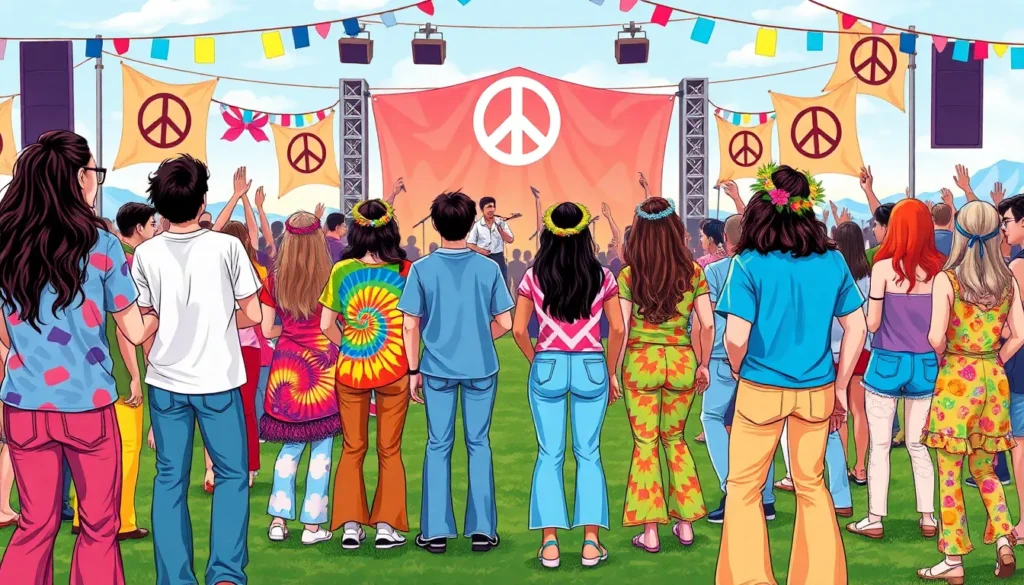
The 1960s was a decade that redefined cool, where peace signs and bell-bottoms ruled the streets and music became a revolutionary force. From the groovy vibes of The Beatles to the electric energy of Woodstock, this era wasn’t just about trends; it was a cultural explosion that shaped generations. Imagine a time when everyone was dancing to the same beat, and the world felt a little more colorful.
Pop culture in the ’60s was like a kaleidoscope of creativity, mixing art, music, and politics in a way that still resonates today. It’s hard not to smile thinking about the quirky fashion, iconic movies, and unforgettable tunes that made this decade a playground of imagination. Buckle up as we take a trip down memory lane, exploring the fabulous fads and unforgettable moments that made the ’60s a true cultural phenomenon.
Overview of 60s Pop Culture
The 1960s served as a pivotal era in shaping modern culture. Iconic trends emerged, leaving a lasting legacy in art, music, and societal norms.
Key Characteristics
The decade showcased bold statements through fashion, including tie-dye shirts and miniskirts. Music played a central role, as rock and folk musicians challenged traditional boundaries. Counterculture movements gained momentum, promoting peace, love, and social change. Festivals like Woodstock epitomized this spirit, uniting thousands under a shared ethos. Diverse artistic expressions flourished, influencing literature and visual arts. Youth culture became prominent as young individuals sought freedom and self-expression.
Major Influences
Numerous artists and political events shaped the era’s cultural landscape. The Beatles revolutionized music, inspiring countless musicians with their innovative sound. Civil rights movements highlighted social injustices, prompting artistic responses. Today, figures like Bob Dylan and Janis Joplin continue to influence generations. Cinema also evolved, with films addressing contemporary social issues and pushing creative boundaries. Televised broadcasts introduced influential shows that fostered cultural conversations. Each influence interwove to create a rich tapestry of 1960s pop culture, marking a profound and enduring impact.
Music in the 60s
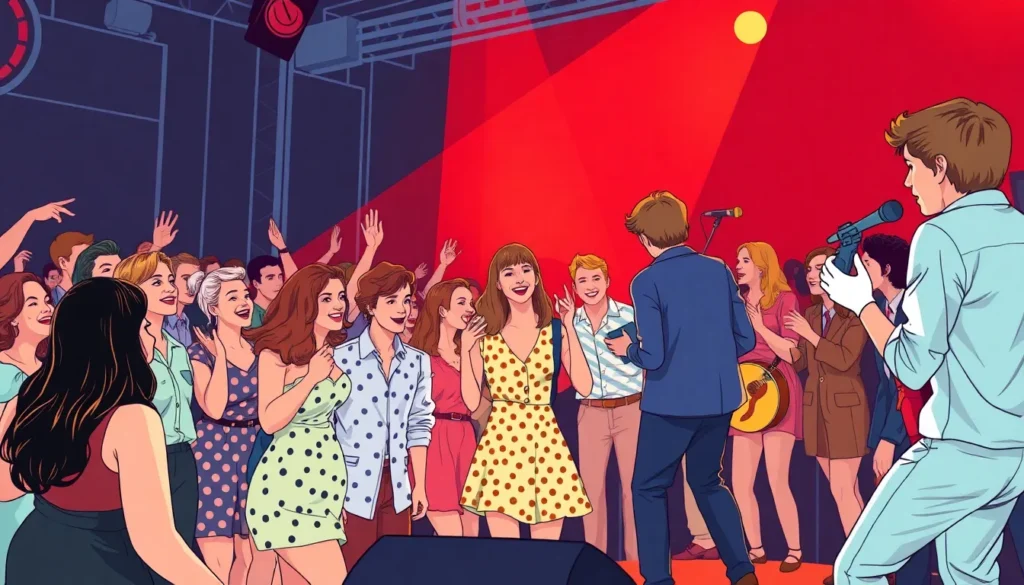
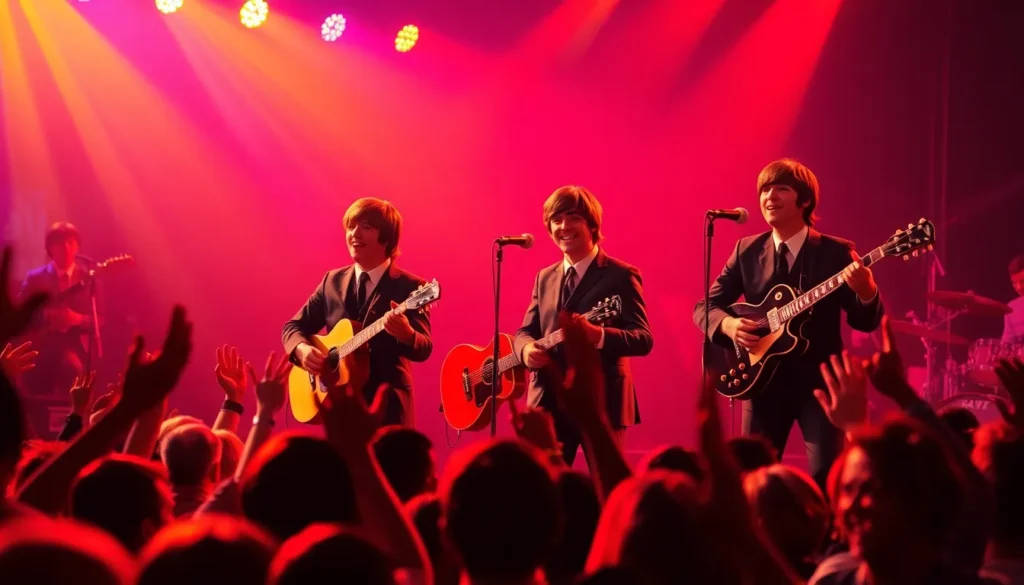
The 1960s revolutionized music, shaping various genres and introducing iconic artists. This era signifies an extraordinary time marked by creativity and cultural shifts.
Iconic Artists and Bands
The Beatles transformed pop music, achieving unprecedented fame with their innovative sound and lyrics. Bob Dylan’s poignant storytelling resonated with the youth, inspiring social change through folk music. Janis Joplin emerged as a powerful voice, breaking barriers with her soulful performances. The Rolling Stones brought a rebellious edge, blending blues and rock. Motown artists like Stevie Wonder and Marvin Gaye captivated audiences with their smooth melodies and meaningful messages, embodying the spirit of the decade. These musicians created an enduring legacy, influencing future generations and establishing a vibrant musical landscape.
Evolution of Music Genres
Rock and roll morphed into various subgenres, reflecting societal changes. Folk music gained traction, often intertwining with political movements and protests. Psychedelic rock emerged, featuring experimental soundscapes and visual artistry. Soul music captured emotions with its deep rhythms and heartfelt lyrics. Additionally, surf rock dominated the early part of the decade, showcasing bands like The Beach Boys. The integration of these genres created a diverse backdrop, uniting listeners and amplifying the cultural revolution. Each genre evolved, mirroring the dynamic spirit of the 60s, and leaving a profound mark on the music industry.
Fashion Trends of the 60s
The 1960s brought a revolutionary shift in fashion, offering colorful and daring new styles. This decade embraced bold patterns, vibrant colors, and a mix of cultural influences.
Iconic Styles
Miniskirts emerged as a powerful symbol of women’s liberation, allowing for greater self-expression. Brightly colored shift dresses became staples in women’s wardrobes, showcasing a clean silhouette. Youth culture inspired the use of tie-dye shirts, which spread throughout the counterculture movement. Bell-bottom jeans gained popularity among both men and women, symbolizing freedom and independence. Accessories like oversized sunglasses and go-go boots added flair to every outfit, making these iconic styles memorable.
Impact on Modern Fashion
Many trends from the 1960s continue influencing today’s fashion landscape. Designers draw inspiration from the bold prints and color blocking seen during this decade. The concept of casual wear originated from 60s street style, leading to the prevalence of laid-back attire today. Sustainable fashion reflects the ethos of the era’s counterculture, promoting individuality and environmental consciousness. Overall, 1960s fashion set a foundation for contemporary styles, with its boldness and creativity remaining relevant in current trends.
Movies and Television of the 60s
The 1960s produced groundbreaking films and television shows that reflected and shaped cultural trends. These media became vital in capturing the spirit of the era.
Popular Films
Iconic movies defined the decade, blending innovative storytelling with striking visuals. “Psycho,” directed by Alfred Hitchcock, introduced suspenseful horror to mainstream cinema. “Easy Rider” emerged as a counterculture classic, reimagining the road movie genre. “The Graduate,” with its exploration of generational conflict, resonated with audiences and challenged traditional narratives. Other significant releases included “Bonnie and Clyde” and “2001: A Space Odyssey,” which expanded cinematic boundaries. Each film contributed to ongoing dialogues about societal norms and youth culture.
Influential Television Shows
Television transformed during the 1960s, showcasing diverse perspectives and captivating characters. “The Twilight Zone” presented thought-provoking science fiction stories that challenged viewers’ perceptions. “Star Trek” introduced groundbreaking themes and multicultural representation within its science fiction framework. “Bewitched” and “I Dream of Jeannie” blended magic with humor, reflecting evolving gender roles. Additionally, “The Ed Sullivan Show” served as a launching pad for major musical acts, including The Beatles. Each series left an indelible mark on American television and popular culture.
Social Movements and Their Impact
The 1960s saw significant social movements that reshaped society.
Civil Rights Movement
The Civil Rights Movement sought to end racial segregation and discrimination. Activists like Martin Luther King Jr. and Malcolm X played pivotal roles in advocating for equality. Protests, such as the 1963 March on Washington, showcased the demand for civil rights, garnering national attention. Legislation like the Civil Rights Act of 1964 represented major victories, prohibiting discrimination based on race, color, religion, sex, or national origin. The movement’s music, featuring artists like Bob Dylan and Nina Simone, underscored the struggle for justice and inspired countless individuals to join the cause, leaving a lasting legacy on American society.
The Counterculture Movement
The Counterculture Movement emerged as a response to conservative norms and the Vietnam War. Young people embraced ideals of peace, love, and communal living, mobilizing against materialism and societal expectations. Events such as Woodstock exemplified this shift, gathering thousands to celebrate music and unity. The movement brought about new forms of expression in art, literature, and fashion, encouraging individuality and creativity. Icons like Timothy Leary advocated for consciousness expansion, aligning with the use of psychedelic substances. Ultimately, the Counterculture Movement challenged traditional values, paving the way for greater social change and personal freedom.