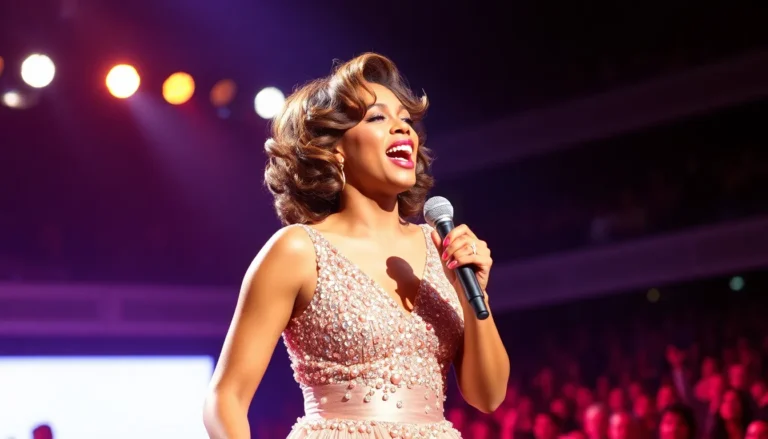
Flashback moments are those delightful time-traveling experiences that whisk us away to the past, often when we least expect it. Whether it’s a whiff of a familiar scent or an old song playing on the radio, these sudden recollections can spark joy, nostalgia, or even a hearty laugh. They remind us of who we were and how far we’ve come, often with a side of cringeworthy fashion choices and questionable life decisions.
Understanding Flashback Moments
Flashback moments transport people back to the past, often evoking powerful emotions tied to specific memories. Triggered by familiar scents, melodies, or visual cues, these experiences create connections to earlier times in one’s life.
Definition of Flashback Moments
Flashback moments represent sudden recollections of past experiences. They often surface unexpectedly, manifesting as vivid memories that can engage the senses. During these moments, individuals might visualize earlier events in detail, recalling emotions and experiences associated with them. For instance, someone might remember childhood celebrations upon encountering a particular song or smell. Such moments reinforce the significance of personal history and its impact on present identities.
Types of Flashback Moments
Different types of flashback moments exist, reflecting various triggers and emotional responses. Sensory flashbacks occur due to scents, sounds, or sights that recall specific memories. Emotional flashbacks bring feelings associated with past events into the present, often evoking nostalgia or joy. Contextual flashbacks happen when someone recalls a significant moment in relation to their current environment, blending past experiences with present situations. Each type illustrates the diversity of memories and their powerful influence on how individuals perceive their lives.
The Importance of Flashback Moments in Storytelling
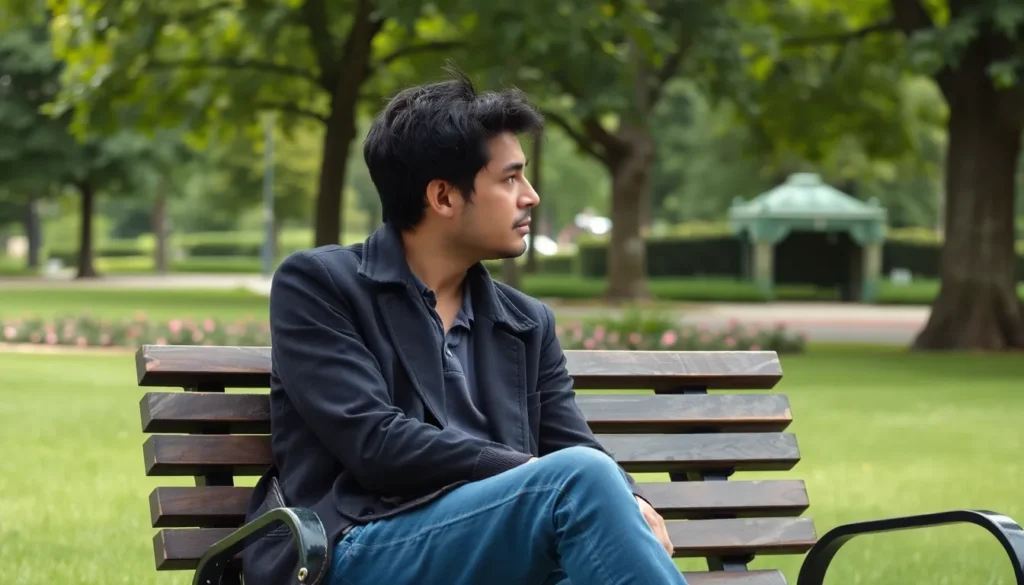
Flashback moments play a crucial role in storytelling, adding depth and emotion to narratives. These moments create connection points for characters and audiences alike.
Enhancing Character Development
Flashbacks reveal essential backstory elements, enriching character dimensions. Characters display vulnerability during these moments, allowing for greater viewer empathy. They also clarify motivations by showcasing pivotal life events. By revisiting past experiences, characters become more relatable and layered. Audiences witness growth as characters respond to past decisions. Flashbacks can highlight contrasts in personality, emphasizing changes over time. Ultimately, these insights foster a stronger bond between characters and the audience.
Driving the Narrative Forward
Flashbacks accelerate plot progression by offering context to current events. They often fill gaps, providing necessary information for overall understanding. Key past events play a role in shaping current conflicts, creating a sense of urgency. Viewers gain insight into character relationships through flashbacks, enhancing engagement. They also generate suspense by hinting at unresolved issues from the past. Integrating flashbacks strategically transforms the storytelling structure, maintaining audience interest. Flashback moments guide the audience through a non-linear narrative, enhancing emotional impact.
Analyzing Flashback Moments in Literature
Flashback moments enrich narratives, adding layers of complexity to characters and plots. These moments facilitate deeper connections between readers and characters.
Examples from Classic Novels
In Wuthering Heights, Emily Brontë employs flashbacks to delve into Heathcliff’s traumatic childhood, shaping his bitter demeanor. Charles Dickens uses flashbacks in A Christmas Carol to highlight Scrooge’s transformation, effectively illustrating his journey from miser to benefactor. Similarly, in The Great Gatsby, F. Scott Fitzgerald’s frequent recollections of Gatsby’s past emphasize themes of longing and unattainable dreams, enhancing the overall narrative.
Flashback Techniques in Modern Fiction
Modern authors integrate various techniques to depict flashbacks effectively. Stream-of-consciousness narratives often blur past and present, immersing readers in mixed timelines. Non-linear storytelling structures present events out of chronological order, creating suspense and intrigue. In The Road by Cormac McCarthy, for example, fragmented recollections of the past reveal crucial backstory while heightening the tense atmosphere. Additionally, graphic novels utilize visual cues to signify shifts between timelines, engaging readers and enhancing comprehension.
Flashback Moments in Film and Television
Flashbacks in film and television serve as powerful narrative devices, enriching stories and deepening audience connections. With various methods, creators effectively transport viewers into characters’ memories.
Iconic Film Flashbacks
Many iconic films utilize flashbacks to convey essential backstory and emotion. “The Godfather Part II” masterfully intertwines past and present, showcasing Vito Corleone’s rise to power alongside Michael’s struggles. In “Memento,” non-linear storytelling through flashbacks builds suspense, unraveling the plot piecemeal and engaging audiences with its mystery. “Eternal Sunshine of the Spotless Mind” employs flashbacks to explore love and loss, allowing viewers to witness pivotal moments that shape the characters’ relationship. Each example illustrates how a well-timed flashback can elevate narrative depth.
Effective Use in TV Series
Television series often rely on flashbacks to develop characters and elaborate on intricate storylines. “Lost” employs flashbacks extensively, revealing characters’ backstories while enhancing suspense and mystery in the plot. “Breaking Bad” uses flashbacks to explore Walter White’s transformation, highlighting pivotal decisions and ethical dilemmas. In “This Is Us,” flashbacks masterfully weave through timelines, showcasing moments from different eras while emphasizing family dynamics. Effective implementation of flashbacks creates layers in character development and strengthens viewer investment in the story.
Flashback moments serve as powerful reminders of the past that shape individual experiences and narratives alike. They evoke emotions and create connections that resonate deeply within us. Whether through sensory triggers or emotional recollections, these moments enrich storytelling and character development across various mediums.
By effectively integrating flashbacks, creators can enhance the depth of their narratives, drawing audiences into the complexities of character journeys. As both a personal experience and a storytelling technique, flashback moments highlight the intricate relationship between memory and identity, leaving lasting impressions that linger long after the moment has passed.