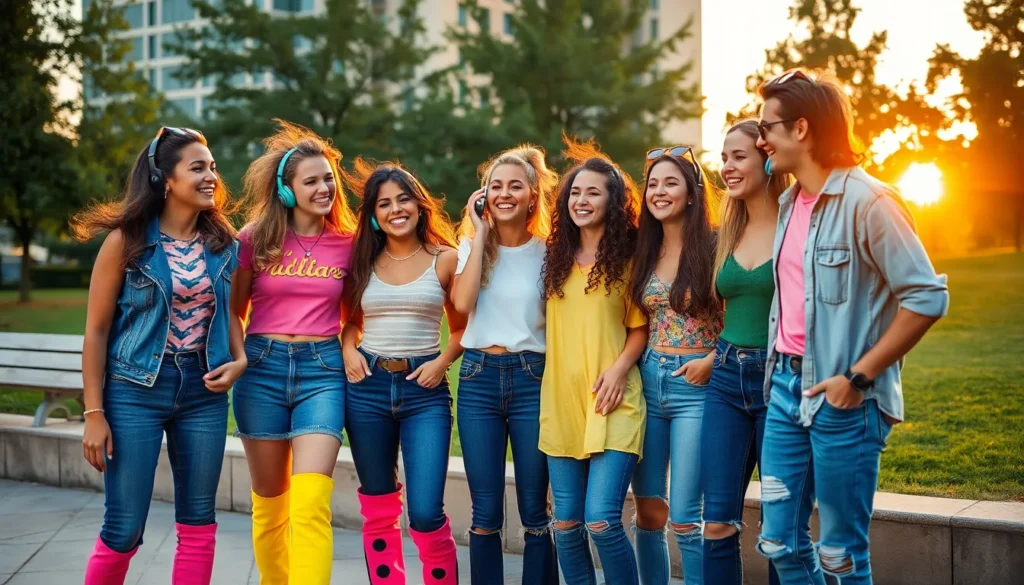
Pop culture flashbacks are like time machines for the mind, whisking people back to the days of neon leg warmers and cassette tapes. Who doesn’t love a good stroll down memory lane? One moment you’re scrolling through social media, and the next, you’re reliving the glory days of boy bands and blockbuster movies. It’s a delightful mix of nostalgia and laughter that reminds everyone just how far things have come—while also making them wonder if they should dig out those old dance moves.
From iconic TV shows that defined a generation to unforgettable music that still gets stuck in heads, these flashbacks spark joy and conversation. They’re not just a trip down memory lane; they’re a celebration of the quirks and trends that shaped pop culture. So grab your favorite snack from that era, and let’s dive into the moments that made us laugh, cry, and question our life choices—because who doesn’t love a little nostalgia with a side of humor?
The Evolution of Pop Culture Flashbacks
Pop culture flashbacks capture key moments from the past, allowing individuals to relive iconic trends and influences that shaped their formative years. These reflections often spark nostalgia, merging collective memories with personal experiences.
Defining Pop Culture Flashbacks
Pop culture flashbacks refer to moments that evoke strong memories tied to specific cultural phenomena. They encompass everything from memorable TV shows and movies to music hits and fashion styles. These instances often leverage shared experiences, linking people through their recollections of past styles, dialogues, or tunes. They serve not only as reminders of what once was but also as reflections of societal changes over time.
Historical Context
The origin of pop culture flashbacks traces back to significant cultural events and movements. The rise of television in the 1950s introduced iconic series that resonated with a broad audience. The 1980s saw the popularity of music videos, making visual storytelling a crucial aspect of pop culture. Changes in technology, such as the transition from vinyl records to digital media, affected how pop culture is consumed. In recent years, streaming platforms have revitalized old favorites, highlighting shifts in how fans engage with nostalgic content.
Iconic Elements of the Past
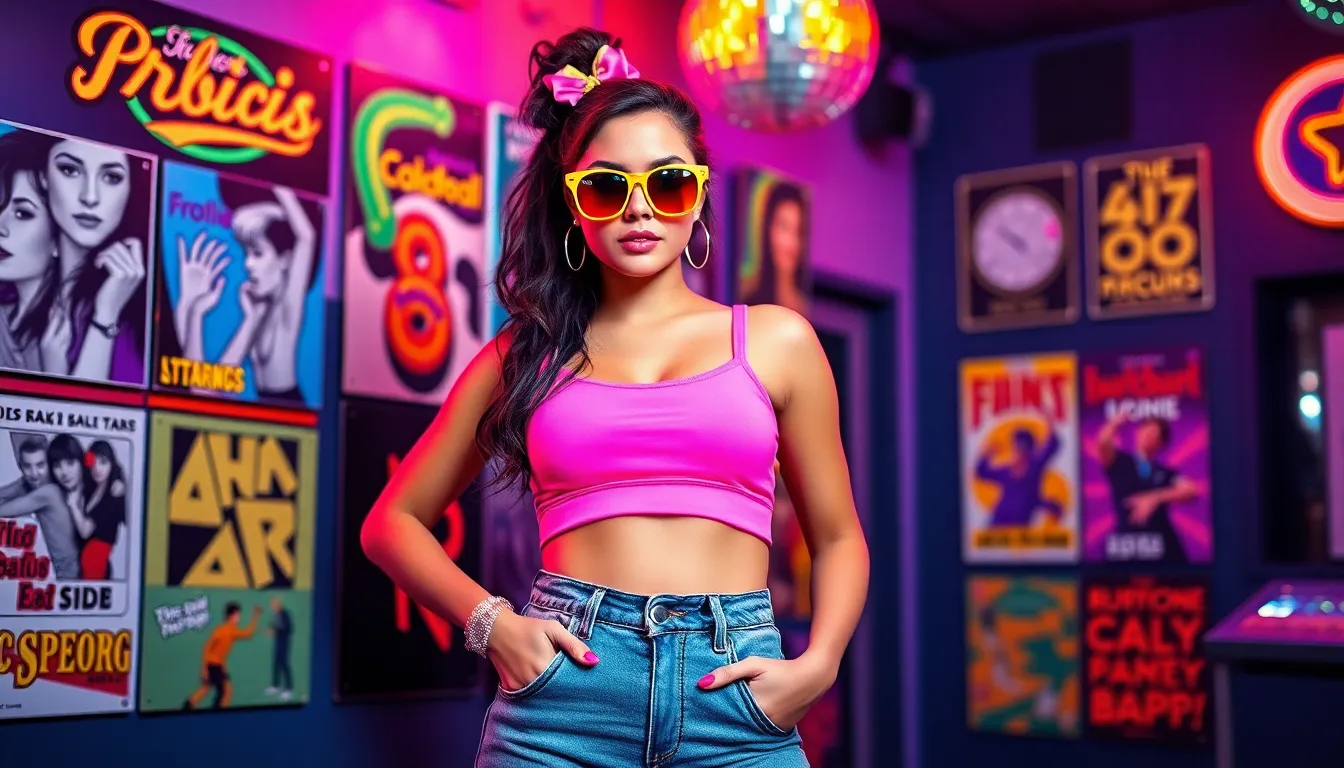
Pop culture flashes back to unforgettable trends, music, and styles that shaped generations. These elements evoke strong memories and provide a lens through which to view cultural evolution.
Fashion Trends
Neon colors dominated clothing styles during the 1980s. High-waisted jeans became a staple, often paired with crop tops or oversized sweaters. Iconic accessories like scrunchies, platform shoes, and fingerless gloves completed the look. MTV influenced fashion choices, with artists like Madonna and Prince setting trends. The grunge movement of the 1990s introduced flannel shirts and combat boots, signifying a departure from glam. Vintage looks resurged recently, showing that past styles still resonate in modern wardrobes.
Music Highlights
The 1970s introduced disco, bringing dance floors to life with hits from artists like the Bee Gees. Rock music thrived in the 1980s, with bands such as Queen and U2 capturing audiences worldwide. The rise of hip-hop in the 1990s transformed the music landscape, showcasing artists like Tupac Shakur and Notorious B.I.G. Iconic tracks like “Thriller” by Michael Jackson remain timeless, continually inspiring new generations. Music videos revolutionized the way fans experienced songs, blending visual artistry with sound. Recent collaborations between classic artists and contemporary stars breathe new life into nostalgic hits.
The Role of Nostalgia in Pop Culture Flashbacks
Nostalgia plays a crucial role in pop culture flashbacks. It serves as a bridge between memories and the present, invoking feelings of warmth and familiarity.
Psychological Impact
Nostalgic memories can trigger positivity, boosting mood and mental well-being. Research indicates that reminiscence activates brain areas associated with reward, creating pleasure from recalling fond experiences. Individuals reminiscing about their favorite TV shows or music often experience reduced feelings of loneliness and anxiety. Additionally, nostalgia fosters a sense of identity, reminding people of their past and making them feel more connected to their personal history. Engaging with nostalgic content can thus promote happiness, encouraging appreciation for past joys and experiences. These effects resonate strongly, emphasizing nostalgia’s importance in shaping emotional responses towards pop culture.
Social Connections
People commonly share nostalgic experiences, creating bonds through collective memories. Familiar references, like iconic movies or popular songs, foster conversations among friends and family. Engaging in discussions about past trends often reignites friendships, strengthening social ties. Cultural phenomena can also spark intergenerational connections, as older and younger generations exchange thoughts about beloved shows and music styles. Furthermore, these shared experiences cultivate a sense of belonging, allowing individuals to feel part of a broader community united by similar tastes. Such interactions enhance relationships, contributing to a rich social fabric grounded in nostalgia.
Modern Interpretations of Classic Flashbacks
Modern interpretations of classic flashbacks bring fresh perspectives to beloved cultural phenomena. Movies and TV shows often incorporate nostalgia, reviving characters and storylines that resonate with audiences.
Movies and TV Shows
Revival series frequently tap into nostalgia by reimagining iconic characters from popular films and television. Examples include “Stranger Things,” which draws inspiration from 1980s horror and sci-fi classics, creating a blend of new narratives with familiar tropes. Reboots of beloved franchises, such as “Ghostbusters” and “Fuller House,” showcase how previously cherished stories attract both original fans and a new generation. These modern adaptations breathe life into classic content while retaining their emotional core, allowing viewers to experience nostalgia anew.
Advertising and Marketing
Advertising frequently harnesses nostalgia as a powerful marketing tool. Brands like Coca-Cola and Nike have successfully invoked memories tied to their classic advertisements. They incorporate retro images and themes, sparking instant recognition and emotional responses. Collaborations with popular artists and influencers often remix vintage styles, connecting modern culture with past aesthetics. Campaigns that leverage iconic music and familiar slogans remind consumers of beloved experiences, enhancing brand loyalty and engagement in today’s competitive market.
Pop culture flashbacks serve as a vibrant reminder of the trends and experiences that shaped generations. They create a unique connection between past and present, sparking joy and nostalgia in those who partake in these memories. As individuals reflect on the iconic music, fashion, and shows that defined their youth, they not only celebrate their own experiences but also weave a rich tapestry of shared cultural history.
The power of nostalgia is undeniable, fostering connections among friends and family while enriching social interactions. In today’s world, where classic influences merge with contemporary creativity, the resonance of these flashbacks continues to thrive, proving that the past is never truly gone. Instead, it lives on in the hearts and minds of those who cherish it.