
In a world where hydration is key, hydrogen water is making waves—literally. Packed with antioxidants and touted for its potential health benefits, it’s the trendy drink everyone’s buzzing about. But how much of this magical elixir should one sip daily? It’s not a one-size-fits-all situation, and figuring it out can feel like a science experiment gone wrong.
Understanding Hydrogen Water
Hydrogen water contains dissolved hydrogen gas, providing potential health benefits. Research indicates that hydrogen gas acts as an antioxidant, helping to neutralize free radicals in the body. Some studies suggest improvements in athletic performance and recovery when consuming hydrogen water.
Hydration remains essential for overall health. Individuals often overlook their daily water intake, which affects bodily functions. The amount of hydrogen water someone should drink daily varies based on several factors, including activity level and dietary habits.
Experts recommend up to two liters of hydrogen water per day, but personal preference and tolerance play big roles. Many find that starting with one to two cups daily aids in adjusting to its taste and effects. Over time, increasing intake to meet individual hydration and health needs becomes more manageable.
Research is still emerging regarding specific dosage and long-term effects, emphasizing that personalizing consumption is critical. Listening to one’s body can provide guidance. Every person’s response to hydrogen water may differ, so monitoring physical reactions and adjustments is vital for individuals seeking enhanced benefits.
Incorporating hydrogen water into daily routines is straightforward. Using it to replace regular water or combining it with meals can create a consistent habit. Staying informed with ongoing research helps users navigate the benefits and optimal amounts of hydrogen water.
Health Benefits of Hydrogen Water
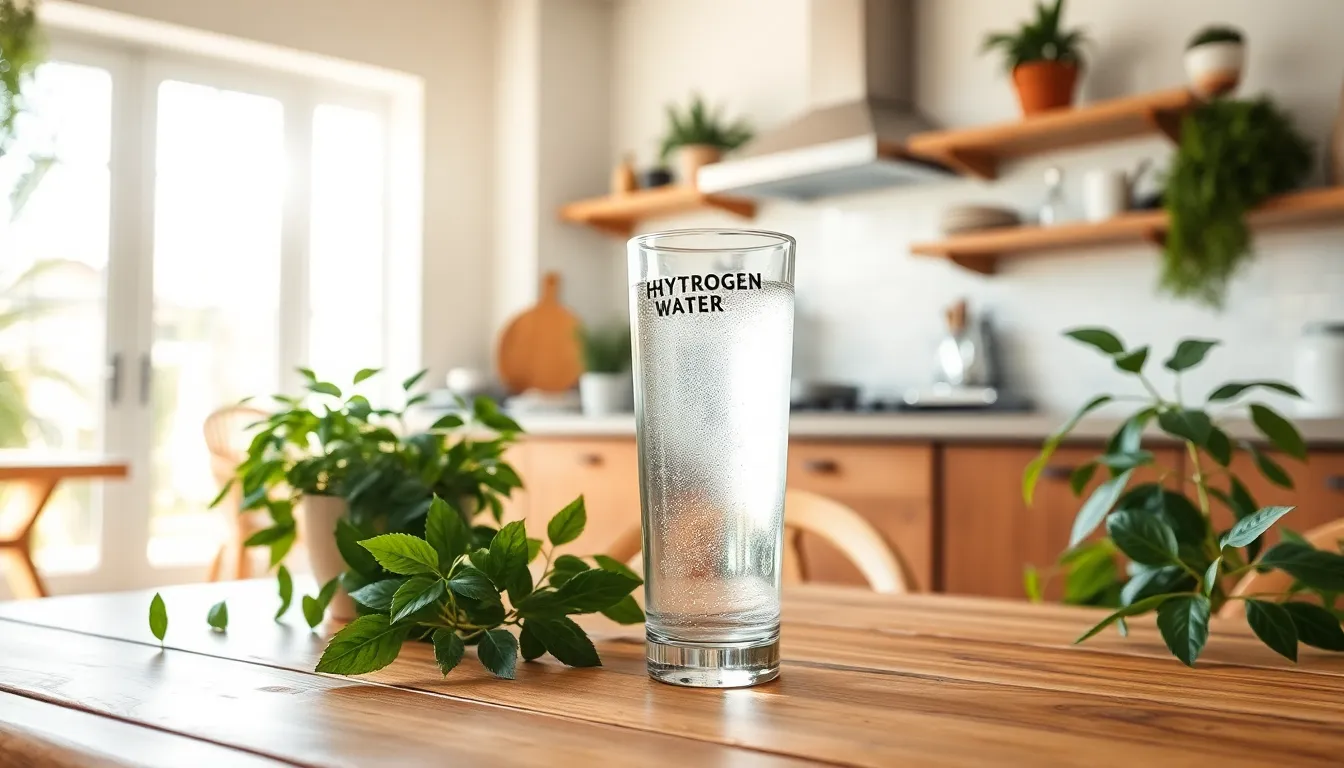
Hydrogen water offers several health benefits, primarily due to its unique properties. Research continues to highlight its role in enhancing overall wellness.
Antioxidant Properties
Hydrogen water presents strong antioxidant properties. This unique feature allows it to neutralize harmful free radicals within the body. Studies show this neutralization can lead to reduced oxidative stress, which is a contributing factor for various chronic diseases. As individuals consume hydrogen water, they may experience improved cellular health and reduced signs of aging. Regular intake can enhance antioxidant levels, promoting better health outcomes and resilience against oxidative damage.
Potential Anti-Inflammatory Effects
Potential anti-inflammatory effects of hydrogen water attract considerable attention. By reducing inflammation, it can alleviate symptoms of specific conditions such as arthritis and metabolic syndrome. Evidence suggests that hydrogen water may help lower inflammatory markers in the body after exercise. Athletic performance and recovery can improve, allowing individuals to bounce back more quickly from intense physical activity. While research is ongoing, initial findings indicate that incorporating hydrogen water into daily routines may provide relief from chronic inflammation and enhance recovery during strenuous activities.
Recommended Daily Intake
Determining the right amount of hydrogen water varies by individual needs and preferences. Factors such as activity level, health conditions, and environmental conditions play crucial roles in consumption.
Factors Influencing Consumption
Activity level greatly impacts hydration needs. Those engaging in strenuous exercise require more fluids, including hydrogen water. Health conditions also matter; individuals with certain ailments may benefit from tailored hydration strategies. Environmental factors like heat and humidity can increase fluid loss, necessitating higher intake. Personal tolerance is significant; individuals may need to adjust their consumption based on how their body reacts to hydrogen water.
Suggested Amount for Different Age Groups
For children, one to two cups per day is a reasonable amount to support hydration without overwhelming their systems. Adults often benefit from consuming up to two liters daily, promoting optimal hydration and general well-being. Older adults can consider a moderate intake of one to three cups, focusing on maintaining hydration levels while accounting for any medical conditions. Tailoring the amount based on age ensures proper hydration while maximizing potential health benefits.
Safety and Side Effects
Hydrogen water generally proves to be safe for most individuals when consumed within the recommended limits. Experts emphasize that while hydrogen gas is non-toxic, individuals may experience mild digestive issues if introduced to high amounts too quickly.
Experts also suggest monitoring individual reactions, as some may find gas formation after consumption. People with certain medical conditions should consult healthcare providers prior to starting hydrogen water. This precaution ensures guidance tailored to specific health needs.
Surprisingly, research indicates limited side effects associated with hydrogen water, especially in contrast to many other supplements. The lack of adverse reactions reflects its increasing acceptance in wellness routines.
For children, intake involves caution, and it’s recommended to start with smaller amounts, like one cup per day. Adults can typically enjoy higher amounts without noticeable side effects. However, those with existing health concerns should approach recommendations with personalized adaptations.
Regarding hydration habits, altering daily routines gradually helps individuals ascertain their comfort levels with hydrogen water. Consistently consuming high-quality sources can reduce risks associated with contaminants.
Amajor takeaway emphasizes listening to the body. Hydrogen water may also improve overall wellness, but awareness of individual tolerance is essential. In summary, while benefits abound, safety considerations must guide consumption practices.